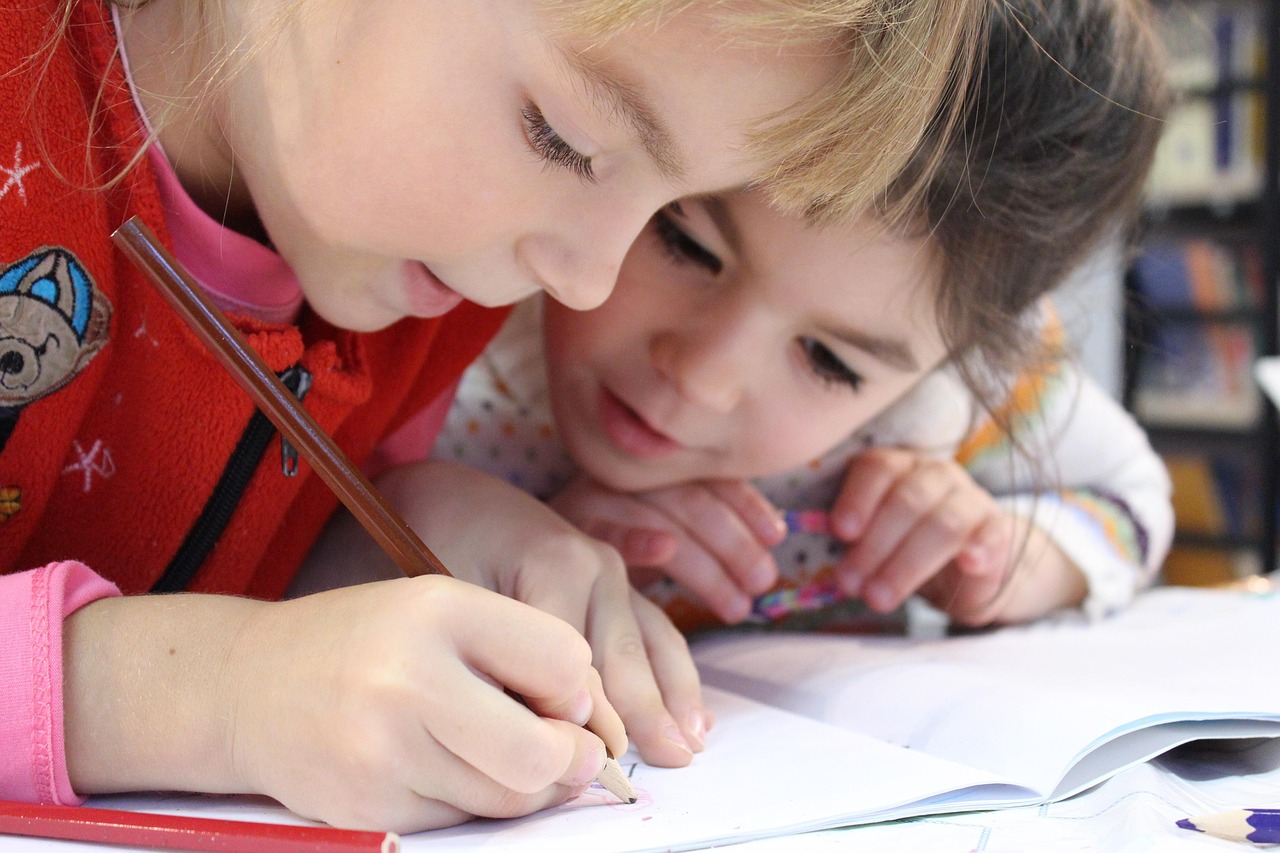
Handwriting remains a vital part of a child’s development, even in today’s digital age. While many children now learn to type at an early age, the benefits of handwriting go far beyond just putting words on paper. It plays a significant role in physical, cognitive, emotional, and academic growth.
From a physical standpoint, handwriting strengthens fine motor skills. Holding a pencil and forming letters requires coordination and control of small muscles in the hands and fingers. These same muscles are used in other important tasks like buttoning a shirt, using utensils, or tying shoelaces. Developing fine motor skills early supports overall independence and daily functioning.
Cognitively, handwriting has been shown to enhance memory and learning. Writing by hand requires more brain engagement than typing, which helps children better process and retain information. Research suggests that when children physically write letters and words, they activate neural circuits linked to thinking, language, and working memory. This means handwriting can improve understanding and long-term retention of what they’re learning.
Handwriting also supports language and literacy development. When children practice writing, they learn letter shapes, phonics, spacing, and sentence structure. These skills are foundational for reading fluency and comprehension. A child who can write confidently is more likely to express ideas effectively, boosting both communication skills and self-confidence.
Emotionally, handwriting can offer children a sense of pride and achievement. Producing neat and legible work gives them a tangible result to be proud of. It also encourages focus, patience, and persistence—traits that are important for success in all areas of life.
Academically, legible and fluent handwriting is essential. Even as technology becomes more prevalent in classrooms, many exams and assignments still require handwritten work. Children who struggle with handwriting may fall behind, not because they lack ideas or understanding, but because they can’t express themselves clearly on paper. Good handwriting helps ensure that their thoughts are communicated effectively and can be accurately assessed.
In conclusion, handwriting is much more than an outdated skill. It supports essential developmental areas and remains a key tool for learning, expression, and academic success. Encouraging children to practice handwriting regularly helps lay the foundation for a lifetime of effective communication and cognitive growth.