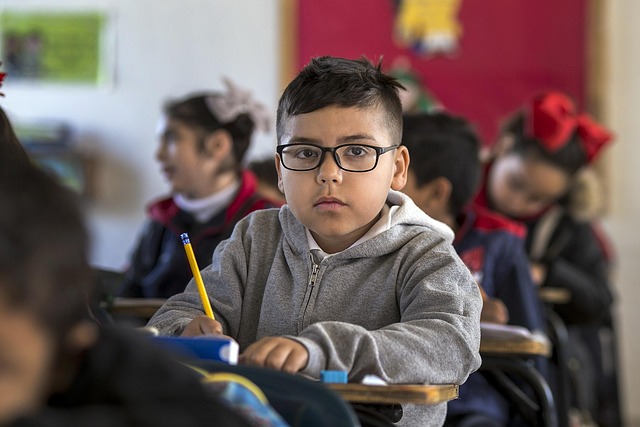
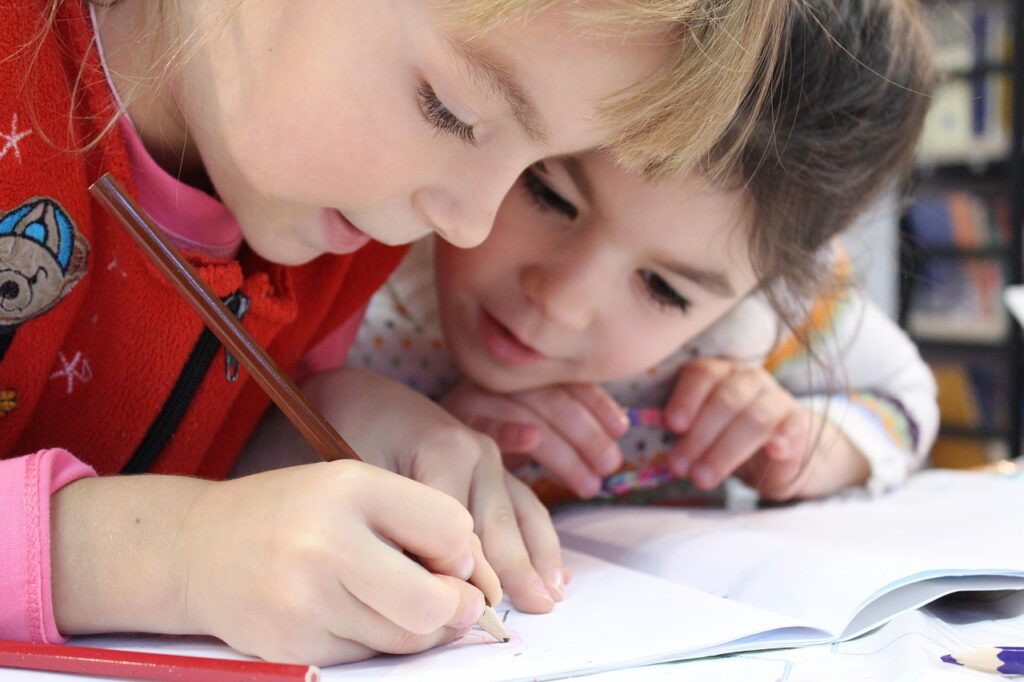
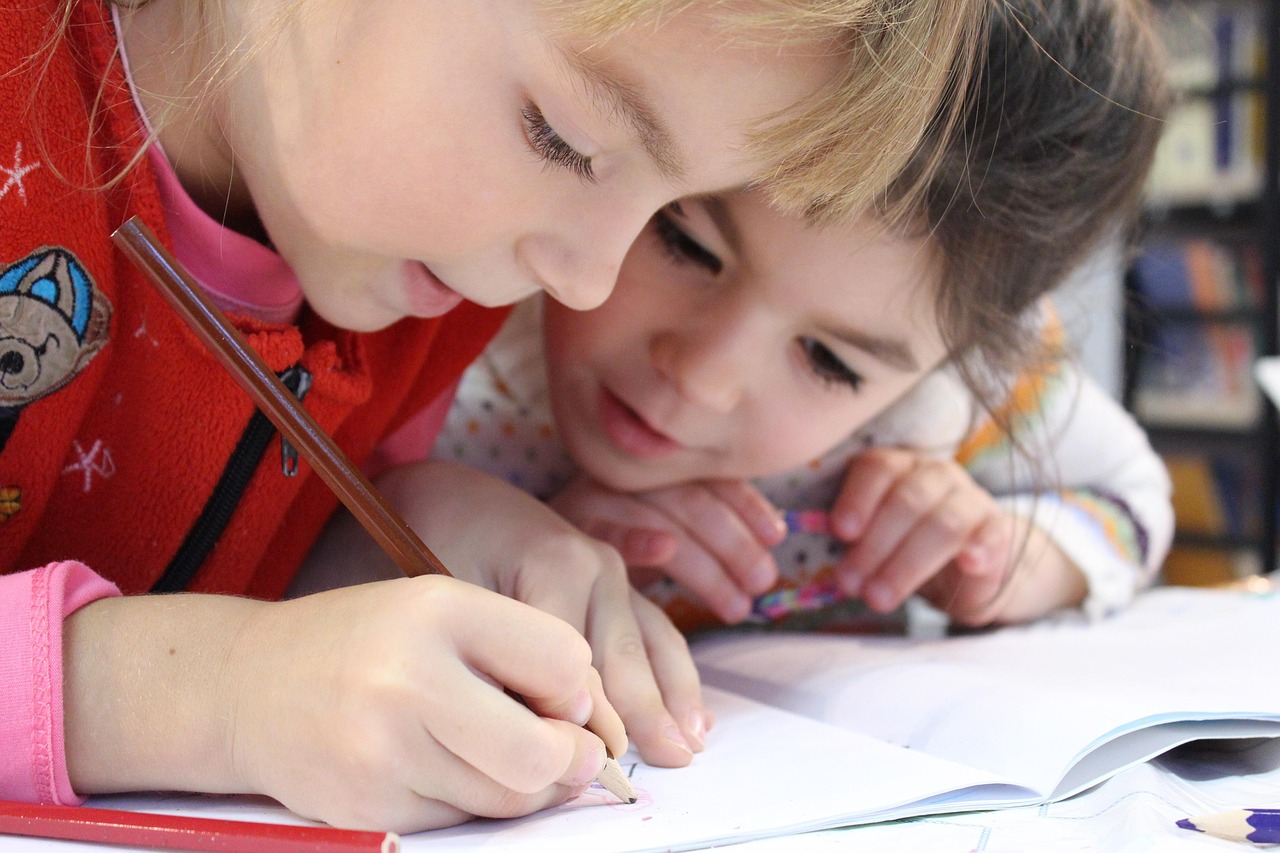
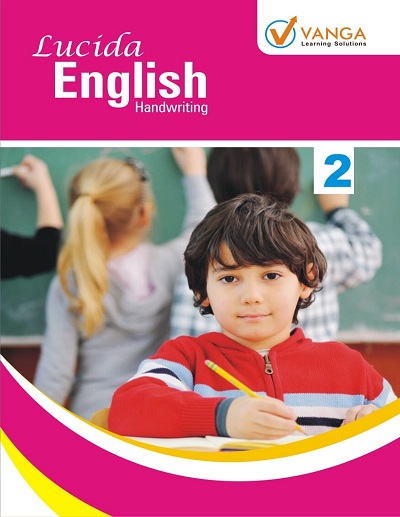
Handwriting plays a crucial role in a child’s overall development, offering benefits beyond just writing neatly on paper. It strengthens fine motor skills by improving hand-eye coordination and muscle control in the fingers and wrists. These physical skills are foundational not just for writing, but also for tasks like tying shoelaces or using tools. Developing handwriting early helps children become more confident and independent in their learning.
Writing by hand also boosts cognitive development. It engages the brain more deeply than typing, as it requires the child to think about the shape of each letter, its placement, and how it connects to other letters. This mental effort strengthens memory and supports learning across subjects. Research shows that children who write by hand tend to retain information better and express their thoughts more clearly. It also improves spelling, punctuation, and sentence structure.
Moreover, handwriting encourages creativity and self-expression. Each child develops a unique writing style, giving them a sense of identity and pride in their work. Neat handwriting can boost self-esteem and motivation, especially when children receive praise for their efforts. In classroom settings, legible handwriting allows students to take notes efficiently and communicate ideas effectively in assignments and exams.
In today’s digital world, handwriting remains a vital skill. It fosters patience, concentration, and discipline, qualities that benefit children in all areas of life. While typing is faster, writing by hand provides a deeper, more personal connection to learning. Whether it’s through journaling, note-taking, or writing letters, encouraging children to practice handwriting regularly supports their academic success and personal growth. Developing good handwriting habits early lays a strong foundation for lifelong learning and communication.